Dust Extraction Systems
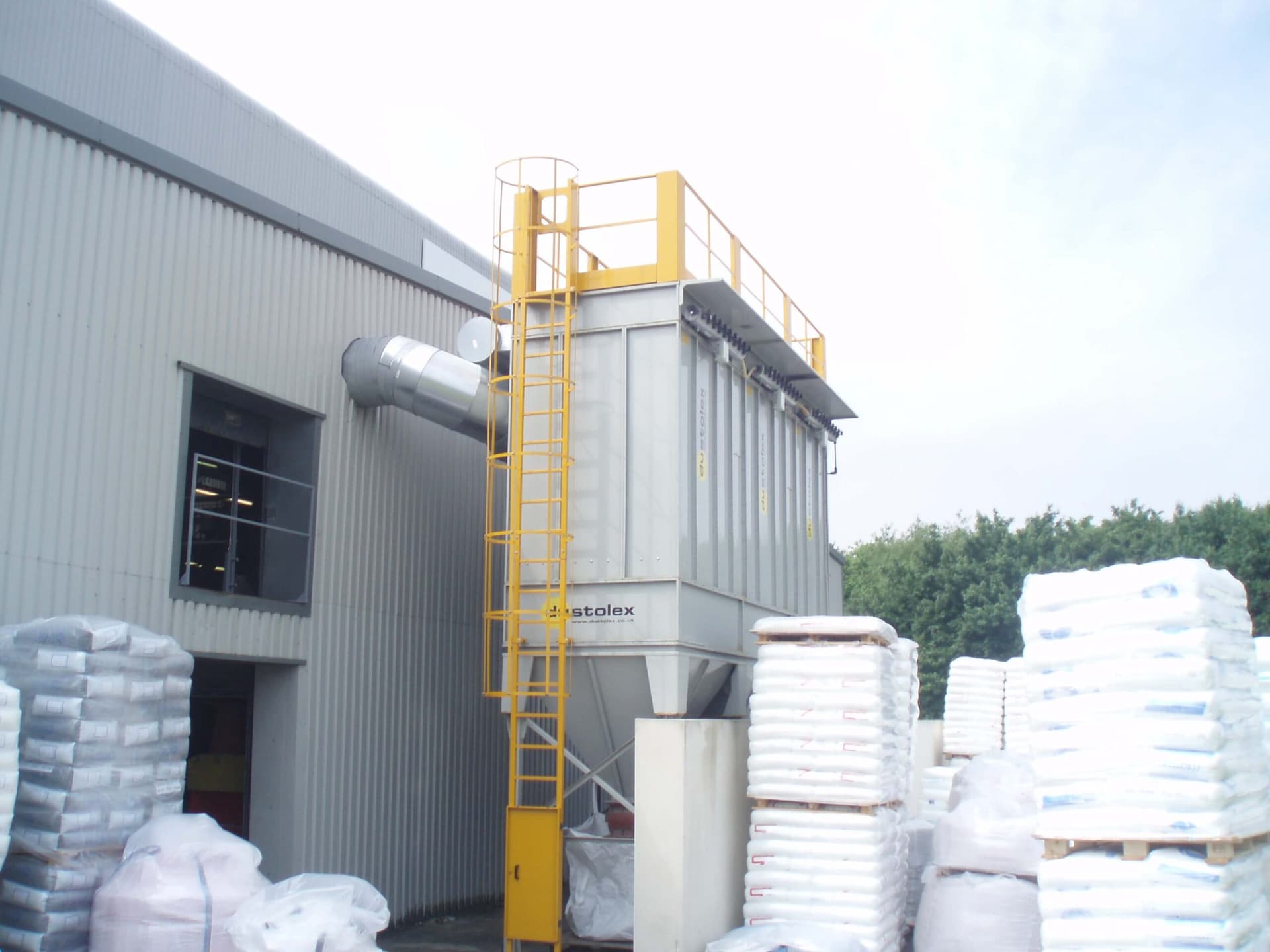
Bespoke industrial dust extraction, designed, manufactured and installed by our own team in Littleborough. Every system is airflow tested before handover, so you know it protects your operators and meets COSHH.
Dust extraction built around your process
Grinding, sanding, cutting, mixing and bagging all release fine dust that operators breathe in and that settles on machines, floors and roof steel. A well designed extraction system captures it at the source, filters it and returns clean air or discharges it safely.
No two sites are the same. We start with your process, the dust it makes and how your team works, then design a system to suit. That might be a single cartridge filter unit serving one booth, or a centralised system with ductwork across a whole factory. Our largest dust systems handle more than 100,000 m³/h.
Dusts and processes we handle
- Metal grinding and polishingSteel, stainless and aluminium
- Sanding and finishingComponents, panels and assemblies
- Powder handling and mixingCement-based products, fillers and additives
- Plastics and rubberMachining, extrusion and compound mixing
- Friction materialsBrake pad production
- Combustible dustsATEX-rated systems for explosive atmospheres
Wood dust? See wood extraction. Welding smoke? See fume extraction.
From site survey to handover
Site survey
Our engineers visit, look at each dust source and talk to the people doing the work. We identify the dust, how much is made and where it needs capturing.
3D design
We model the full system in SOLIDWORKS and AutoCAD: hoods, ductwork, filters, fans and discharge. You see the layout before anything is built.
Manufacture
Ductwork is made in our own Littleborough workshop. Filter units and fans come from the Coral Group range.
Installation
Our teams handle lifting, access equipment, supports, ductwork and the electrical connection, with minimal disruption to production.
Commissioning and LEV test
We measure airflow and capture velocity at every point, confirm the system meets its specification and train your operators.
Servicing
Filter changes, spare parts, fault finding and periodic LEV testing keep the system working and compliant. LEV testing and maintenance
Staying compliant
COSHH
Employers must control exposure to hazardous dust. Local exhaust ventilation (LEV) is the usual way to do it where dust cannot be designed out.
HSG258
The HSE guide to LEV. We design, commission and document systems to it, and hand over an assessment, record of test and plant layout with every system.
LEV testing
LEV systems need a thorough examination and test at least every 14 months. Our engineers are P601 qualified to carry this out.
ATEX and DSEAR
Combustible dusts such as aluminium, many plastics and organic powders can form explosive atmospheres. We supply ATEX-rated systems where they are needed.
Equipment we specify
We design the system and select the equipment from the Coral Group range, so one team is responsible for the whole installation.
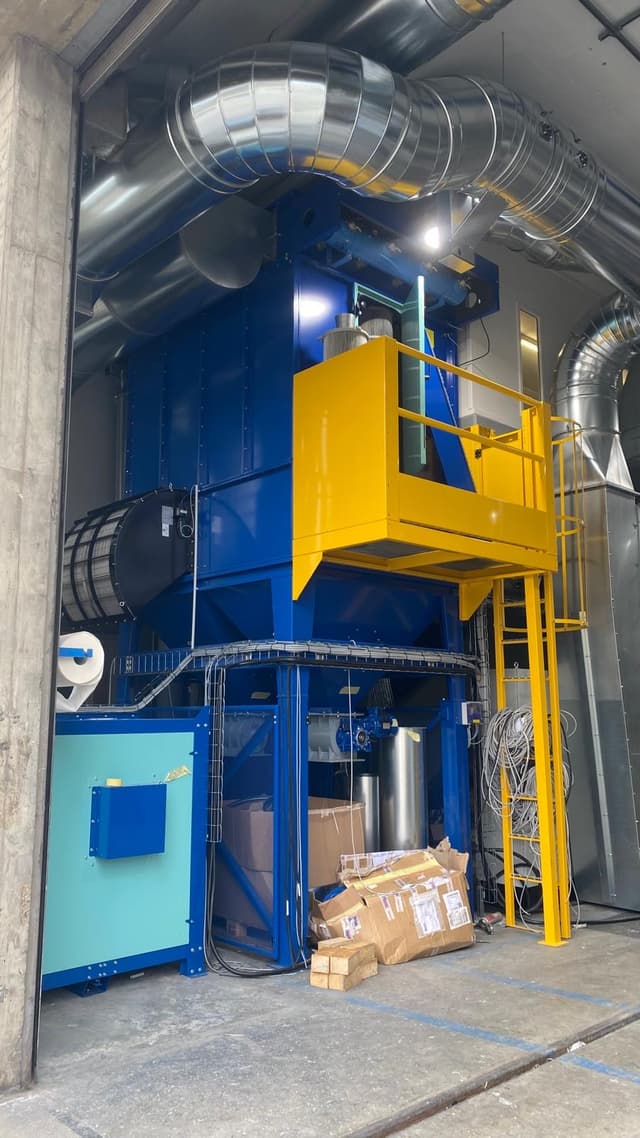
Rail component sanding & grinding
Dust treatment for the sanding and grinding of metallic and aluminium train components.
View case study →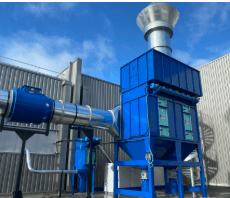
ATEX grinding booth & welding smoke
ATEX grinding booth and extraction of welding smoke.
View case study →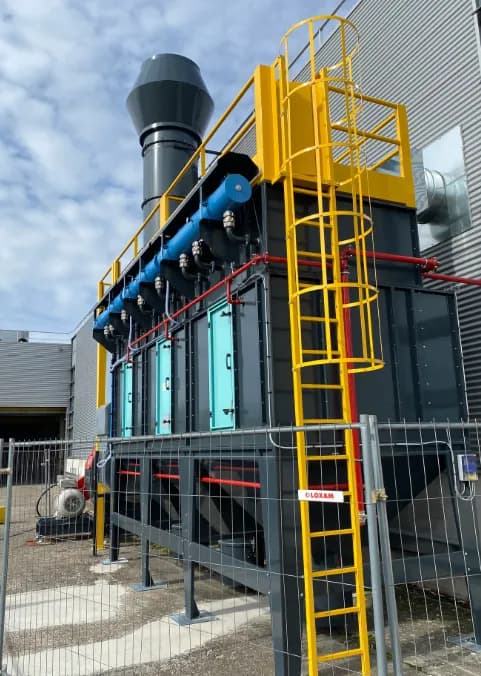
Office furniture welding & grinding
Dust extraction for the welding and grinding of metallic pieces for office furniture.
View case study →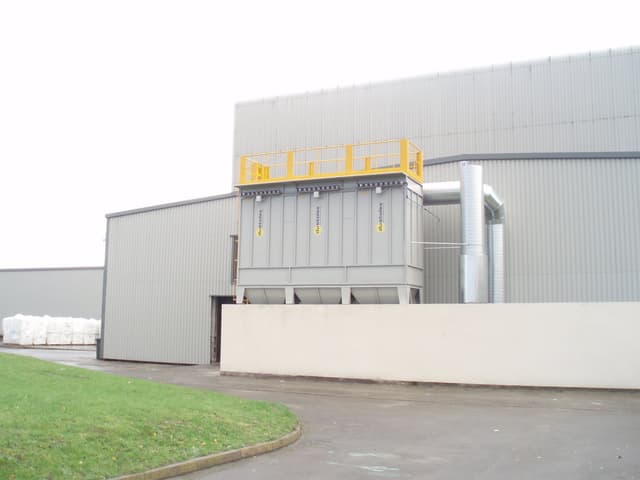
Dust extraction system for plastic application
Dust extraction system for plastic application
View case study →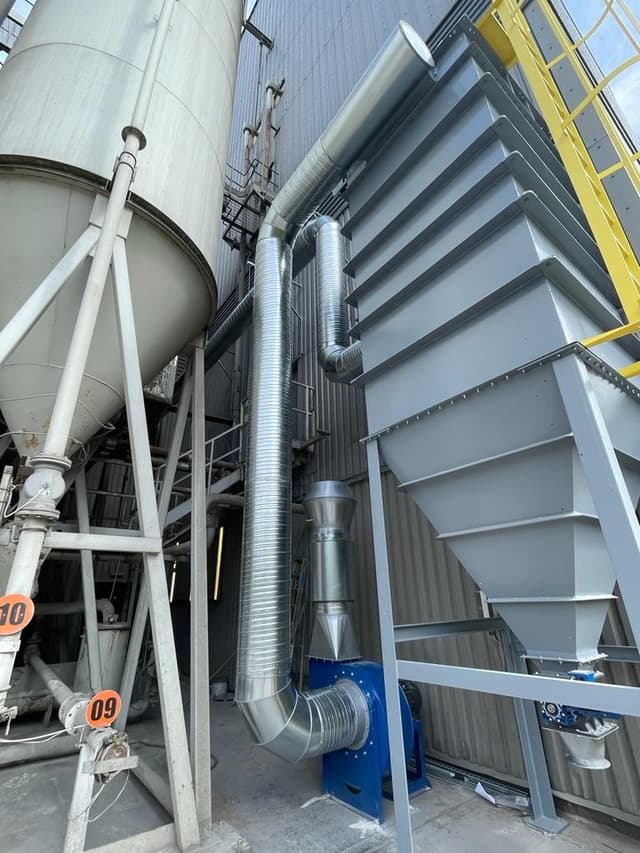
Powder mixing dust extraction for cement-based products
Powder mixing dust extraction for cement-based products
View case study →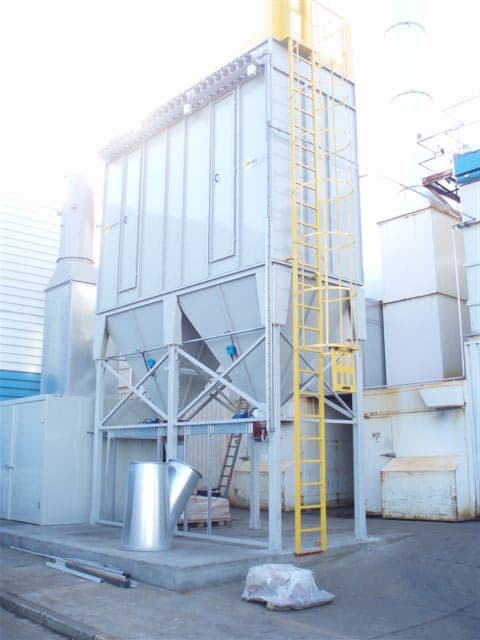
Brake pad dust extraction
Brake pad dust extraction
View case study →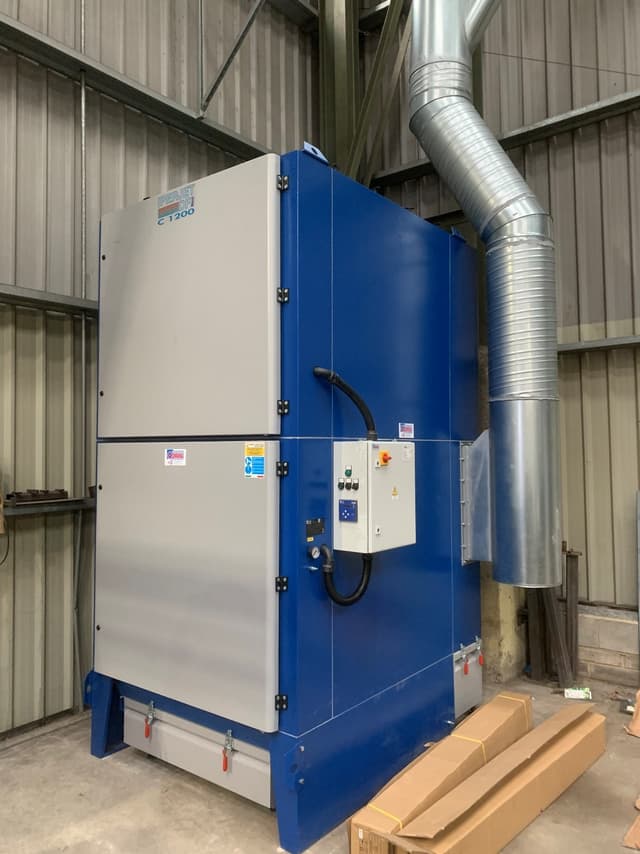
Centralised welding and grinding extraction system
Centralised welding and grinding extraction system
View case study →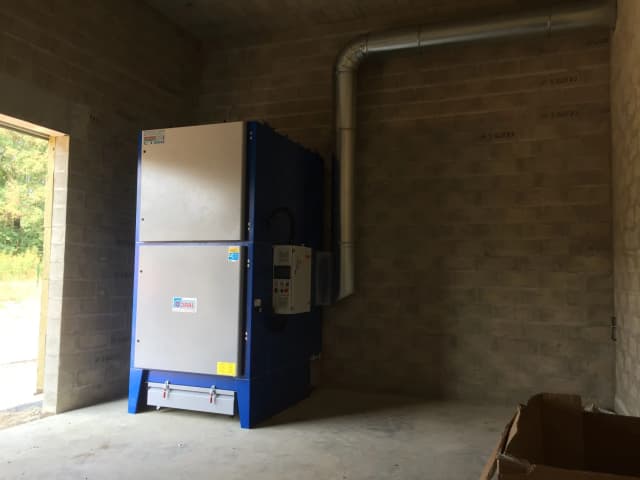
Centralised extraction system of rubber extrusion fumes and mixing dust
Centralised extraction system of rubber extrusion fumes and mixing dust
View case study →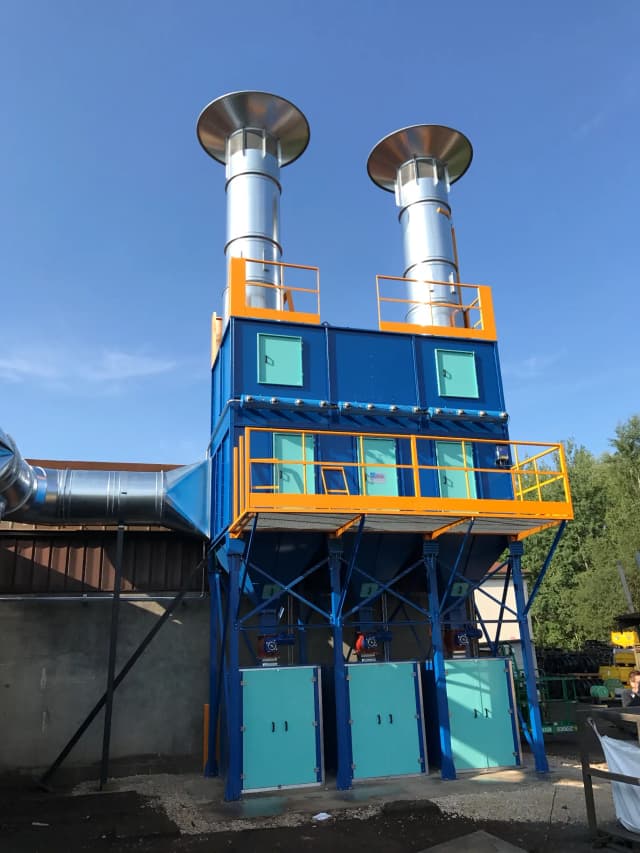
Dust extraction system of grinding for a spring manufacturer
Dust extraction system of grinding for a spring manufacturer
View case study →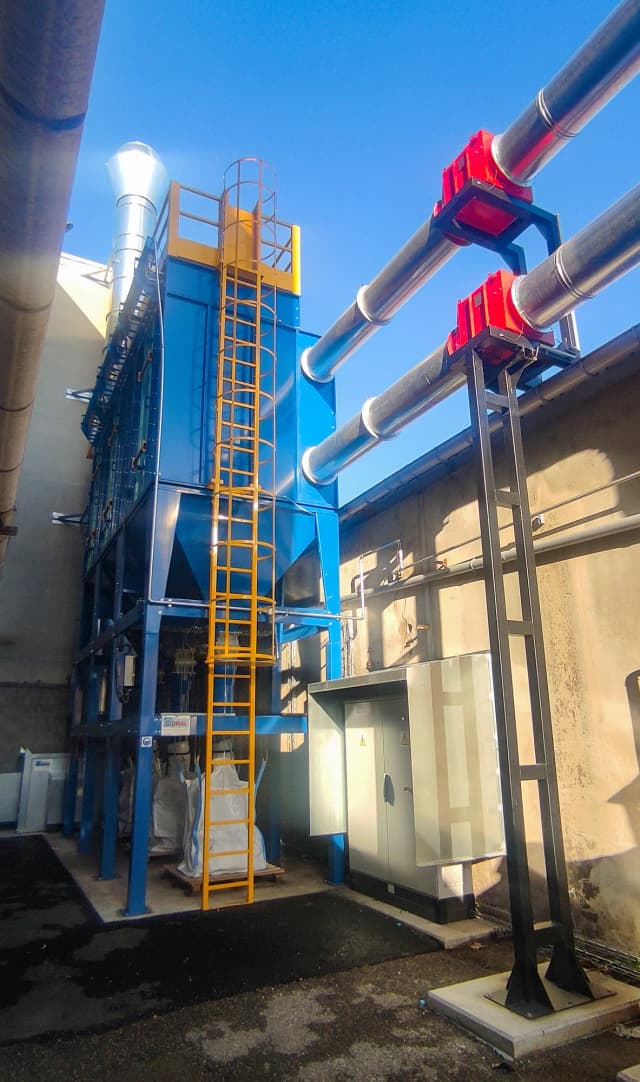
Waste dust packaging line
Dust extraction for a waste dust packaging line
View case study →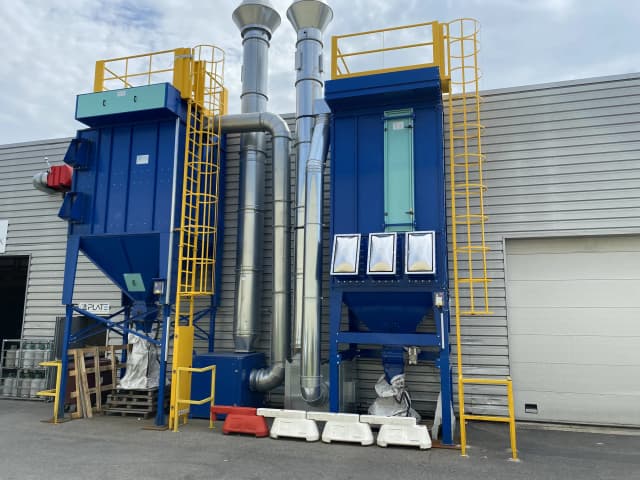
Stainless steel grinding and polishing
Dust extraction for stainless steel grinding and polishing
View case study →Common questions
How much does a dust extraction system cost?
It depends on the number of capture points, the airflow needed, the type of dust and whether ATEX protection is required. We give a fixed quotation after the site survey, once we know exactly what the system has to do.
Do I need an ATEX-rated system?
If your dust is combustible, your DSEAR risk assessment may identify zones where an explosive atmosphere can form. Equipment in or connected to those zones must be suitable for them. We will tell you at survey stage whether this applies and design accordingly.
How often does the system need testing?
COSHH requires a thorough examination and test of LEV at least every 14 months, and more often for some processes. We carry out the first test at commissioning and can provide periodic testing after that.
Can you service or upgrade a system someone else installed?
Yes. We maintain and test systems from all manufacturers, and can extend or upgrade an existing installation when your production changes.
Where do you work?
We are based in Littleborough, near Rochdale, and install systems for sites throughout the UK.
Talk to our engineers
Tell us about your process and we will specify the right extraction or filtration system for your facility.
Request a site survey